
Most competitive intelligence tools stop at the “what” and “where”. Some of them can show you which brands are active, how much they spend, and which creatives they rotate. What they do not expose is the “why”. Is that flood of video impressions about long-term brand building, or is it a short performance push? Without the context, it is hard to benchmark strategy, pick the right response, or decide when not to react at all.
AdClarity’s new Ad Objective Intelligence capability fills that gap. It classifies competitor campaigns by inferred objective, so you can see which efforts are designed to build brands and which are built to drive immediate action.
The Missing Layer in Competitive Insight
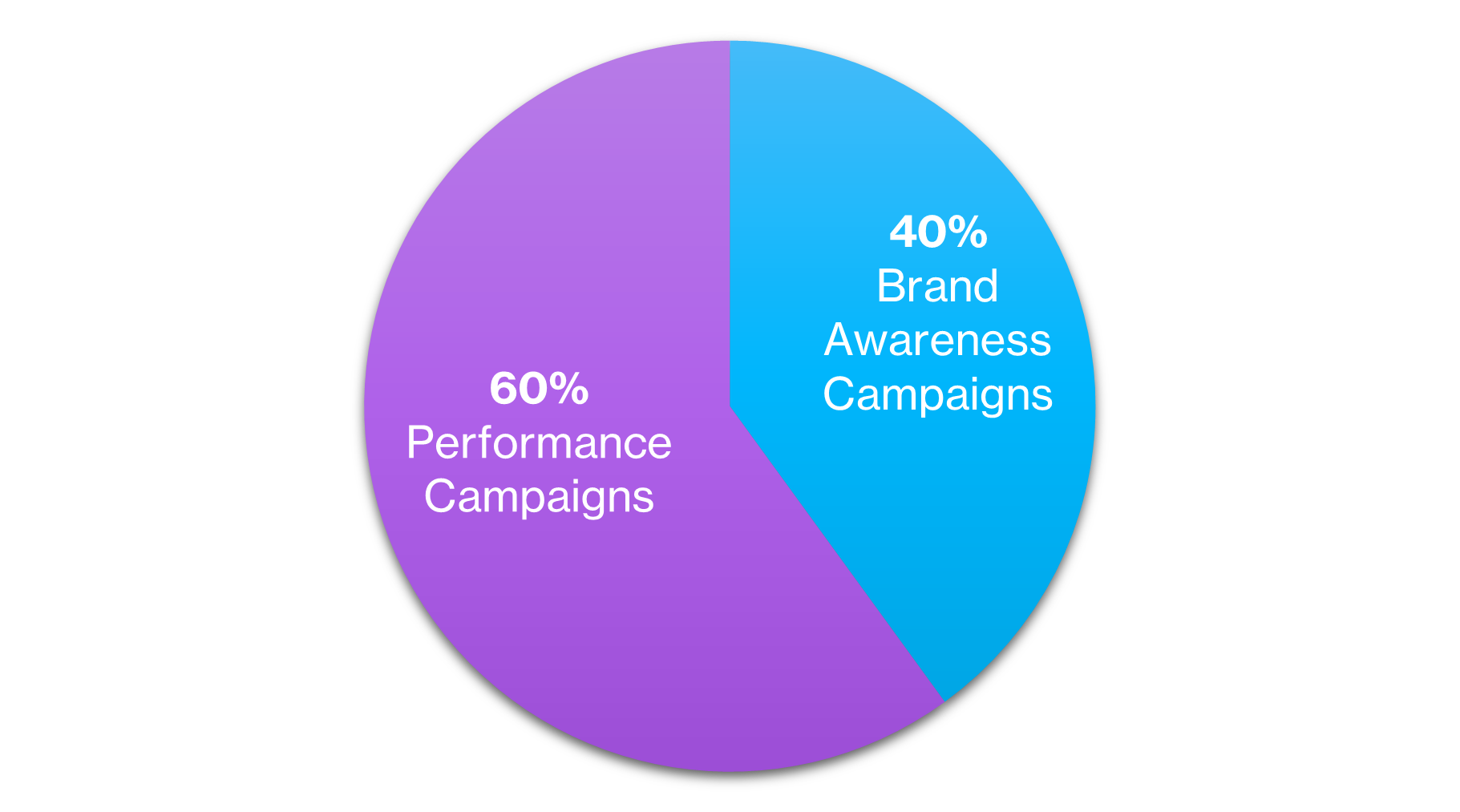
Across a full year (2025) of AdClarity observations in the U.S., roughly 40 percent of the competitive activity on digital channels comes from brand awareness work and about 60 percent from performance activity. That mix looks very different once you zoom in by industry. Health, insurance, and investing brands lean heavily toward awareness campaigns, while marketplaces and gaming brands devote most of their efforts to performance.
Those patterns matter. Treating all campaigns as equal can lead you to overreact to price-driven bursts or underweight steady, brand-led investment. Objective-level visibility helps you read competitor moves in context rather than chasing every spike in spend.
Why Objective-Level Insight Matters
Ad Objective Intelligence classifies each campaign, and that label becomes another important dimension you can use across the platform:
- Filter market activity by objective to see the balance between brand and performance
- Track how the mix shifts over time by region, channel, or competitor
- Compare your own objective mix to competitors and leading brands in your category
Because the objective signal is applied across both historical and new campaigns, you can look back to understand how strategies evolved and watch in near real time as brands and agencies adjust tactics.
What Teams Should Do with It
When campaign intent is visible, brand and growth teams can move from reaction to strategy:
- Benchmark the plan: Check whether you are over or under weighted on brand vs performance compared to category norms.
- Spot real inflection points: Separate day to day promotions from structural changes, like a competitor shifting into sustained brand investment.
- Align creative and channels: Make sure the objective of a campaign matches the formats and placements you choose, instead of copying a media plan that was built for a different goal.
Instead of treating every competitor campaign as a threat, you can focus on the moves that truly signal a change in direction.
From Data Points to Strategic Signals
Ad Objective Intelligence in AdClarity adds a new layer of meaning on top of that footprint: it shows why campaigns exist in the first place. If you want to know which competitor campaigns are quietly building brand equity and which are designed to convert now, Ad Objective Intelligence gives you that view in one place.
To explore how it can support your 2026 planning, contact us for a walkthrough of objective-level insights.